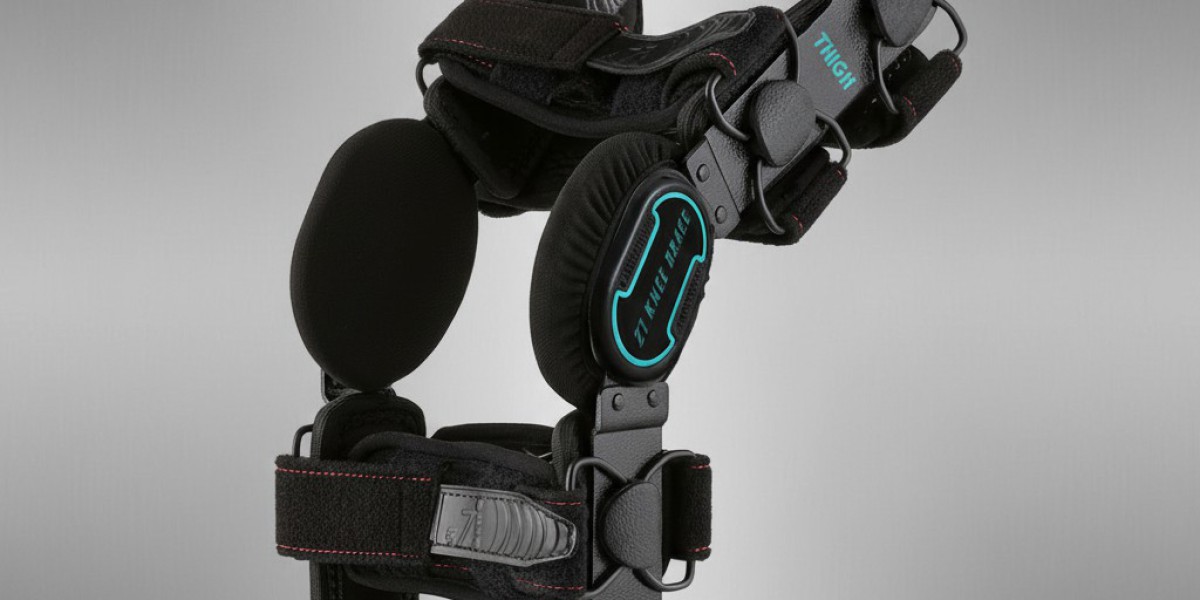

A metal knee brace is one of the most reliable orthopedic supports for people dealing with knee injuries, chronic joint conditions, or post-surgical rehabilitation. Designed with rigid metal hinges or frames, this type of brace provides superior stability, controlled movement, and long-term durability compared to soft or elastic knee supports.
Whether you are an athlete, a senior with knee arthritis, or someone recovering from ligament surgery, a metal knee brace can play a crucial role in protecting your knee and improving mobility.
What Is a Metal Knee Brace?
A metal knee brace is a medical support device that uses metal hinges, uprights, or frames to stabilize the knee joint. These braces are often combined with padded fabric, straps, and adjustable closures to ensure comfort while maintaining firm control of knee movement.
Unlike basic knee sleeves, metal knee braces are designed to limit excessive motion, reduce strain on injured ligaments, and keep the knee properly aligned during movement.
Key Benefits of a Metal Knee Brace
1. Maximum Knee Stability
Metal hinges provide strong lateral and medial support, helping prevent the knee from buckling or twisting. This is especially helpful for ACL, PCL, MCL, or LCL injuries.
2. Ideal for Post-Surgery Recovery
After knee surgeries such as ligament reconstruction or meniscus repair, a metal knee brace helps control movement and protects the healing joint.
3. Pain Relief for Chronic Conditions
People with osteoarthritis or degenerative knee problems often experience reduced pain because the brace helps offload pressure from the affected area.
4. Enhanced Confidence While Walking
A stable knee improves balance and confidence, allowing users to walk, stand, or climb stairs with less fear of injury.
5. Durable and Long-Lasting
Metal knee braces are built for long-term use and can withstand daily wear, making them suitable for active individuals.
Common Types of Metal Knee Braces
1. Hinged Metal Knee Brace
Features metal hinges on both sides of the knee to allow natural bending while preventing harmful movements. Commonly used for ligament injuries.
2. Metal Knee Brace After Surgery
Designed with adjustable range-of-motion settings to control how much the knee can bend or straighten during recovery.
3. Unloader Metal Knee Brace
Used mainly for knee arthritis, this brace shifts pressure away from the damaged side of the knee joint.
4. Ligament Support Metal Knee Brace
Provides targeted support for specific ligament injuries, often recommended by orthopedic specialists.
Who Should Use a Metal Knee Brace?
A metal knee brace is recommended for:
ACL, PCL, MCL, or LCL injuries
Knee instability or frequent buckling
Post-operative knee rehabilitation
Moderate to severe knee arthritis
Sports-related knee injuries
Heavy-duty work or physically demanding activities
Always consult a doctor or physiotherapist to ensure the brace is suitable for your condition.
How to Choose the Right Metal Knee Brace
When selecting a metal knee brace, consider the following factors:
Injury Type: Different injuries require different levels of support
Brace Size & Fit: Proper sizing is essential for comfort and effectiveness
Adjustability: Look for adjustable straps and hinges
Activity Level: Athletes may need lighter but strong braces, while post-surgery patients may require controlled motion
Doctor’s Recommendation: Always follow medical advice for best results
Tips for Using a Metal Knee Brace Safely
Wear the brace as directed by your healthcare provider
Avoid over-tightening straps to prevent circulation issues
Clean the brace regularly to maintain hygiene
Do not rely solely on the brace—combine it with physiotherapy for better recovery
Final Thoughts
A metal knee brace is a powerful orthopedic solution for individuals who need advanced knee support and protection. With its strong structure, reliable stability, and versatility across injuries and conditions, it remains one of the most trusted knee support options available today.
Choosing the right metal knee brace and using it correctly can significantly improve mobility, reduce pain, and help you return to daily activities with confidence.